


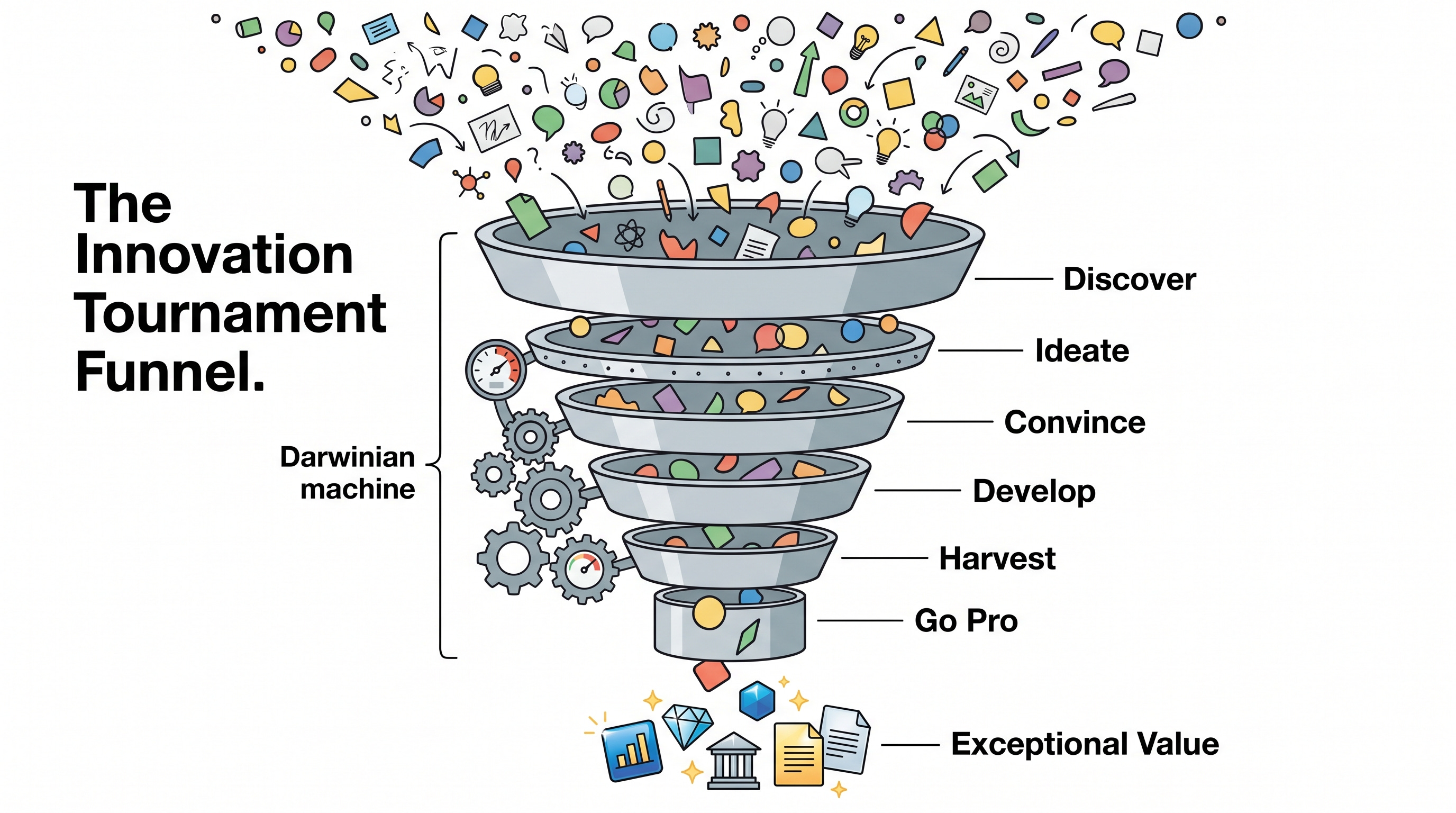
The “lightbulb moment” is a dangerous corporate myth. In practice, high-impact innovation is less about a single stroke of genius and more about a structured, Darwinian struggle for survival.
As an R&D leader who has navigated the complexities of large-scale ideation, I recommend moving away from passive “suggestion boxes” and toward the Innovation Tournament. This concept, championed by Wharton Professor Christian Terwiesch, treats innovation as a funnel: you start with a massive “alpha” of raw ideas and use rigorous, high-speed filters to identify the few with truly exceptional value.
If you are looking for the fast path to executing an innovation challenge that actually delivers, here is the blueprint I recommend based on my experience conceptualizing and executing these programs.
1. The Strategy: Cultural Glue, Not Just Products
An innovation tournament should be viewed as more than an idea generator; it is a tool for organizational transformation. To be successful, the program must be designed to:
Enrich the Pipeline: Systematically capture and develop ideas to streamline work processes.
Create “One Team” Synergy: Use the challenge as a vehicle to facilitate networking and collaboration across silos.
Upskill the Workforce: Familiarize teams with modern, effective problem-solving techniques like Lean Startup.
2. The Architecture: A 6-Month Heartbeat
I recommend a structured cadence over a six-month period to allow for deep refinement without losing momentum. Unlike a hackathon, this model uses workshops as "training components" to ensure the ideas that survive are actually nurtured on the way.
Recommended Filter Stages:
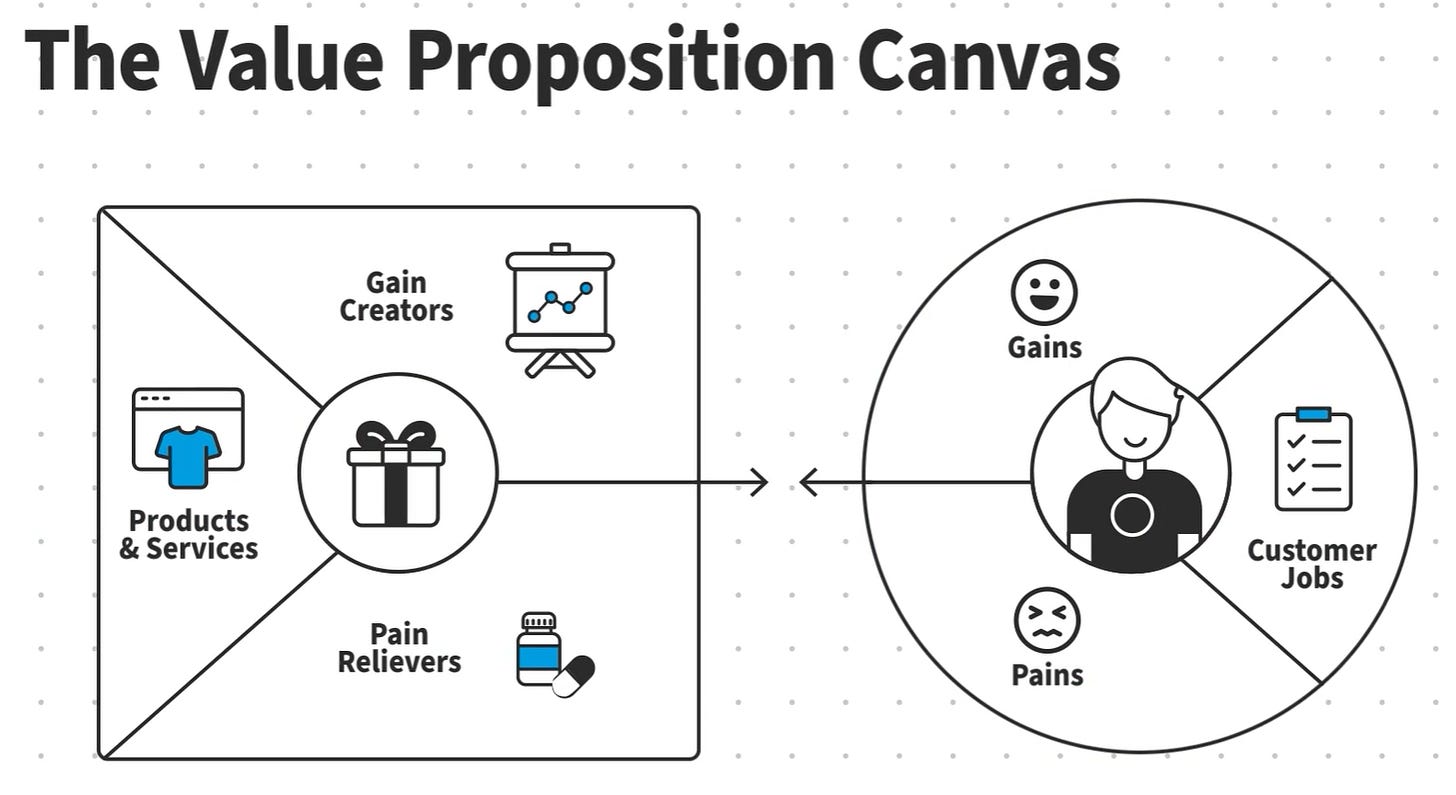
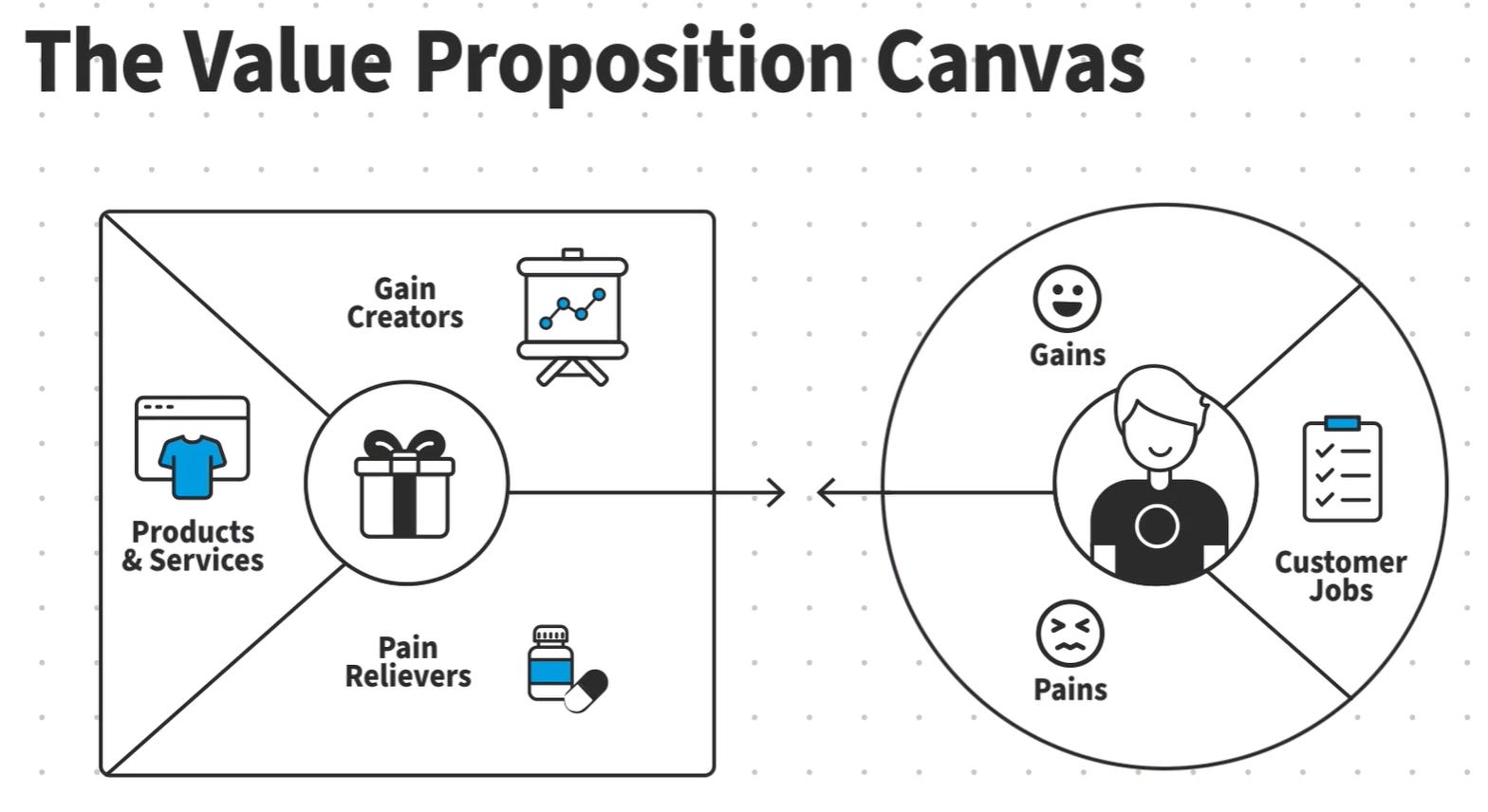
Ideate Workshop (The Structure): Move beyond simple brainstorming. This workshop is a dedicated space for teams to understand how to structure an idea using Lean Startup concepts and the Value Proposition Canvas. It forces teams to clarify their problem statement before jumping to solutions.
Convince Workshop (The Pitch): This is training on how to sell a “why,” not just a “how”. It focuses on the Elevator Pitch, teaching teams what makes a successful pitch and the critical do’s and don’ts of persuasion.
Harvest Pitch (The First Pass): This is the first critical filter. Teams deliver a live 1-minute pitch followed by a jury review to select the few ideas that earned a spot on “Development Day”.
Develop Day (The Prototype): A full day of teamwork focused on refining and prototyping. Teams are introduced to the Business Model Canvas and create virtual designs, mockups, or videos to bring their concept to life.
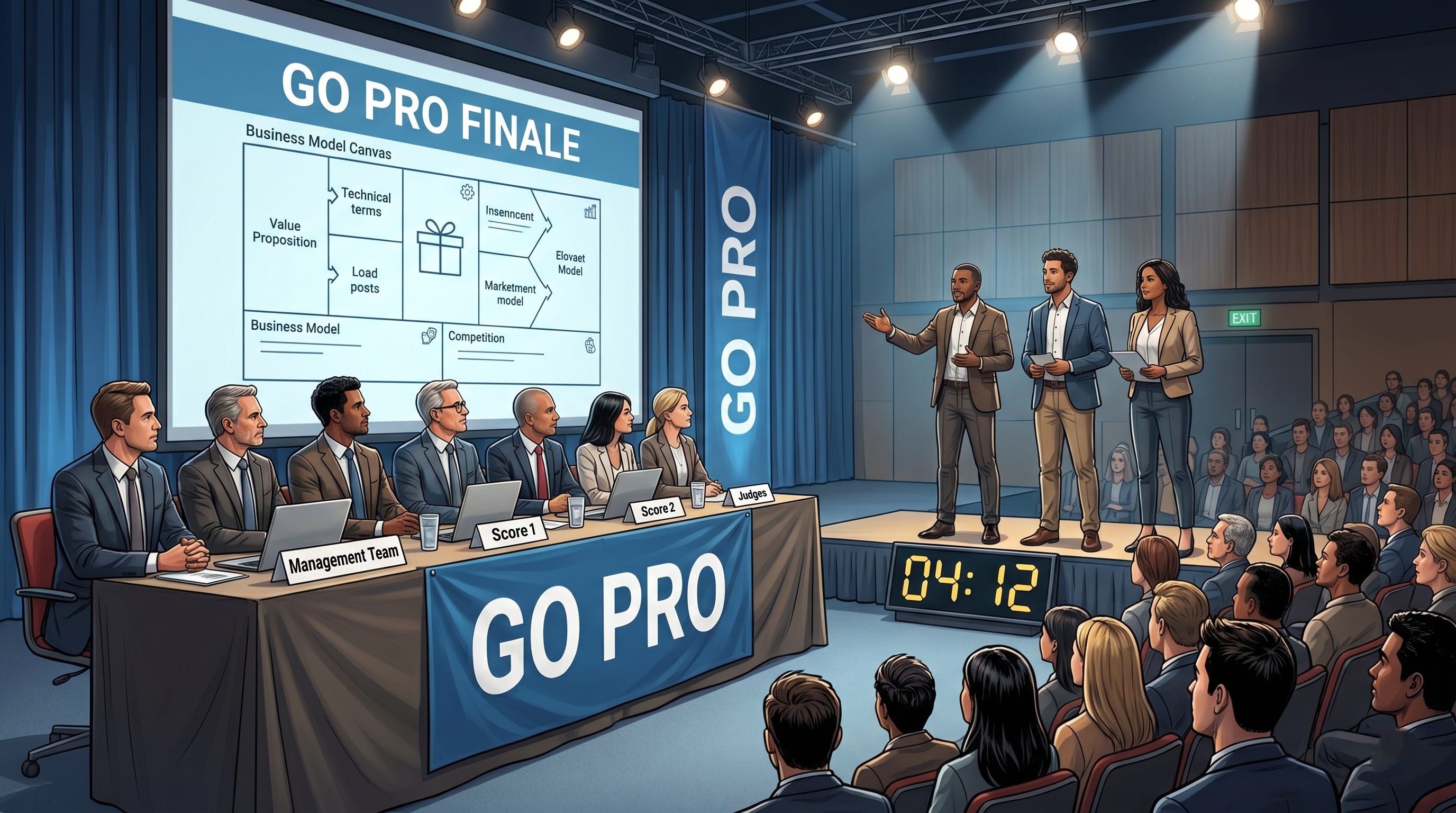
Go Pro Finale (The Investment): The “Big Day”. This is a high-stakes, 10-minute fast-paced pitch event to the Management Team to secure final implementation and funding.
3. Practitioner Recommendations: The “Plumbing” of Success
The success of these programs often lives and dies in the tactical execution—the details that textbooks might overlook.
The “Fake CEO” Hack
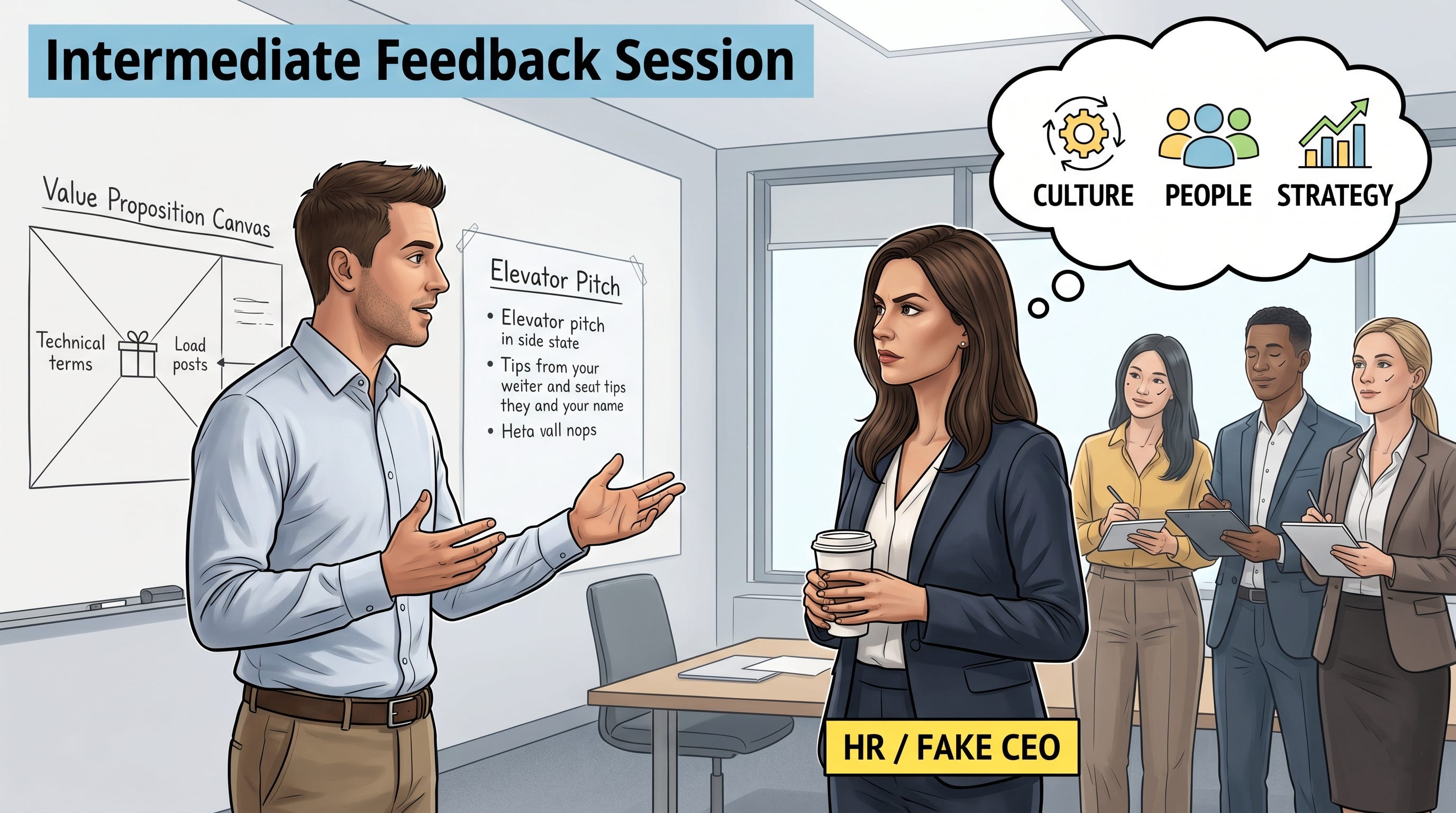
One of the most effective intermediate steps is to inject HR colleagues as “fake CEOs” during coaching or development feedback sessions. This creates unimaginable connections across functions. It forces technical teams to abandon jargon and pitch to a leader who prioritizes culture, people, and high-level strategy—mimicking the pressures of a real executive board.
Integrate “Sales-as-Customer” Feedback
I strongly recommend involving Sales colleagues during the development phase to act as “internal customers”. They provide the most honest—and sometimes brutal—proxy for market reality before you spend a dime on external testing.
Commit to the Resources
Innovation is not free. To execute a tournament at a global scale, you should earmark a dedicated budget. This investment must cover:
External Facilitators: To ensure professional coaching across different regions (NAM, EMEA, ASIA).
Digital Assets: High-quality video and communication support to maintain energy and engagement.
Operational Bandwidth: Dedicated internal support to handle the heavy logistical lifting.
Demand Leadership Mentorship
Selection is only half the battle; the other half is survival. I recommend requiring leadership involvement not just for promotion, but as active mentors for selected teams. Without a senior sponsor to help navigate corporate inertia, even a “winning” idea will eventually die in a drawer.
“The goal is to move from passive ideation to agile innovation through ‘Disruption Pods’ that can actually implement groundbreaking ideas.”
Innovation is a muscle. The more tournaments you run, the stronger your organizational problem-solving becomes. You aren’t just looking for the next big product; you are training your people to be disruptive by design.